
Down the rabbit hole: Drag and drop in GNOME Web
One thing led to another and now I'm opening a PR on...Safari?
One thing led to another and now I'm opening a PR on...Safari?

I spun my own version of Azure Linux for the desktop. And yes, PowerShell is the default shell, Edge is the default browser, and Copilot is pre-installed. It works well in a VM too.

Not "Developers Developers Developers", that one is great. The cancer one.

A five-million-line enterprise app asked Microsoft for a longer .NET support window. The Java world answered that question a decade ago.

A nifty Windows app that boots a full Linux desktop in a window, wiring together the wslc container API, WinUI Reactor, Azure Linux 4.0, .NET 10, with a pinch of nostalgia.

Building a custom WSL 2 kernel in 2026 with the WSL system distro (Azure Linux) as a clean, root, throwaway build environment. KVM now ships enabled, so this covers the reasons that still matter, plus the new modules VHDX deployment step.

I am on the ballot for the 2026 .NET Foundation Board election. Why I am running, what the Foundation is recruiting for this cycle, and what I would bring: partnerships across the Microsoft and open source line, nonprofit governance, and a long record in the .NET and WSL communities.

Microsoft’s in-house Linux, the distribution that grew out of CBL-Mariner, just hit public preview as a general-purpose cloud OS you can run on any Azure VM and coming soon to WSL.

wslc brings native OCI-compatible Linux containers to WSL: a Docker-compatible CLI, GPU passthrough via CDI, a full C/WinRT/C# SDK, and a plugin API that lets Windows applications mount folders, spawn processes, and react to container lifecycle events as native Windows handles.

From DrvFs in WSL 1 to Plan 9 to virtiofs, cross-OS file access in WSL 2 has improved with each generation. A new change gives each virtio device its own dedicated DMA pool, removing the last major contention point on the virtiofs path.
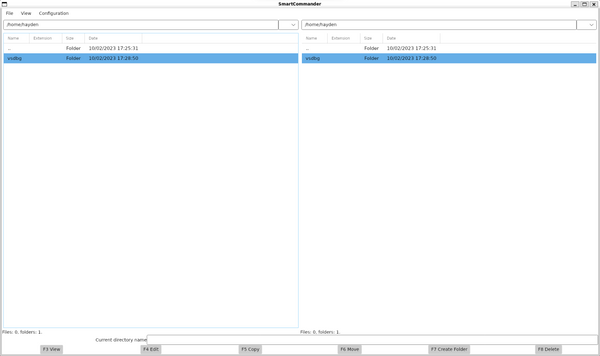
Build cross-platform GUI apps for WIndows and Linux using C# and .NET using Avalonia in Visual Studio.
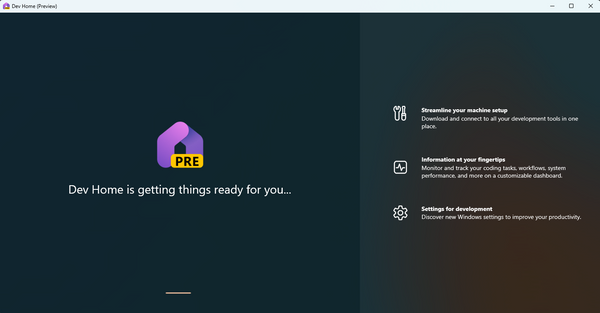
Putting Windows Dev Drive through it's paces on the Windows Dev Kit 2023.